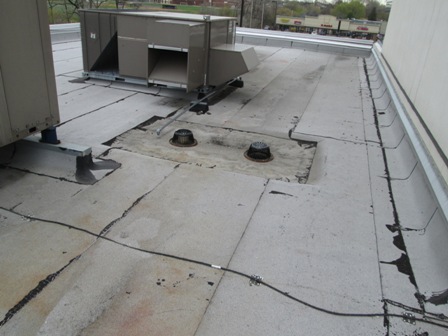
We have inspected several hundred Macomb County area flat roofs over the past 26 years. Flat roofs on commercial buildings in the Roseville, St. Clair Shores and other Macomb County cities can be problematic and expensive. A good inspection can save a buyer tens and even hundreds of thousands of dollars on the roof and water damage. We inspect flat commercial roofs as well as train others to do it through our inspection school. https://globalinspectionschool.com/
Contact: Matt Fletcher 313-510-0284
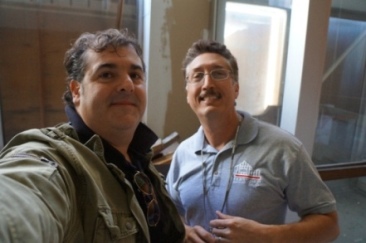
Meet The Team
Joe Vaglica (left) is a Professional Engineer and owns Gateway Engineering in Shelby Twp. Michigan. Matt Fletcher is a former construction trades teacher, licensed builder, and has 26 years inspection and construction experience in the greater Macomb County area.
Procedure for Inspecting a Macomb County Flat Roof
Purpose
To provide a procedure for inspecting a flat roof to identify defects, safety hazards, maintenance needs, and conditions that may lead to leaks or structural damage.
Safety Precautions
- Use proper fall protection procedures and equipment.
- Inspect roof access ladders, hatches, and walkways before use.
- Do not inspect during severe weather, high winds, snow, or icy conditions.
- Wear appropriate PPE (hard hat, safety shoes, gloves, eye protection).
Required Tools
- Inspection checklist
- Camera or mobile device for photos
- Moisture meter
- Flashlight
- Tape measure
- Infrared camera
- Note pad/tablet
- Proper inspection clothing
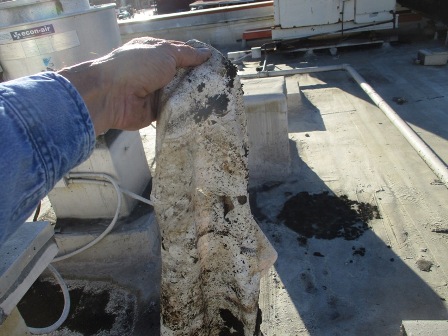
Inspection Procedure
1. Surfaces of Roof Materials
Inspect the roof membrane and all exposed surfaces for:
- Cracks, splits, punctures, tears, or blisters
- Ponding water or poor drainage areas
- Loose seams or failed joints
- Surface deterioration, UV damage, or weathering
- Missing or damaged protective coatings
- Debris accumulation
- Signs of leaks or moisture intrusion
- Condition of flashing around penetrations and edges
- Parapet wall coping condition (if present)
Action: Document all damaged areas and note urgency of repair.
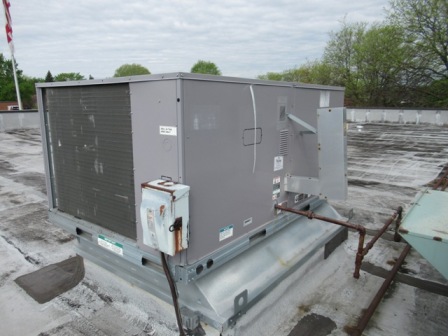
2. Heating and Cooling Components on Roof
Inspect all HVAC and mechanical equipment for:
- Secure mounting and supports
- Rust, corrosion, or physical damage
- Leaking condensate lines or pans
- Damaged insulation on refrigerant lines
- Loose panels, covers, or guards
- Blocked airflow or debris around units
- Roof penetrations properly sealed
- Vibration damage to roof surface
Action: Note equipment needing service or roof seal repairs around units.
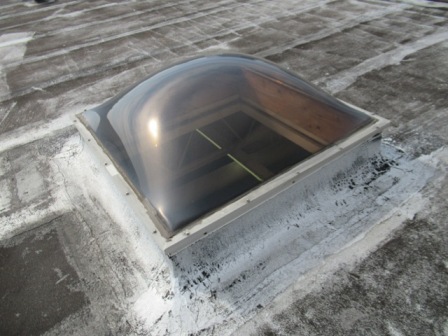
3. Windows, Doors, and Vents on Roof
Inspect all rooftop access points and ventilation components for:
- Roof hatches opening/closing properly
- Doors weather-tight and secure
- Skylights cracked, leaking, or damaged
- Damaged screens, louvers, or covers
- Sealant deterioration around frames and curbs
- Water intrusion signs around openings
Action: Recommend repairs where needed.
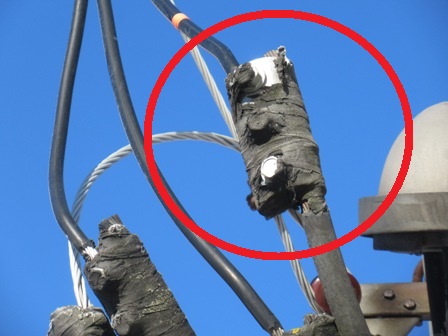
4. Electrical Components on Roof
Inspect electrical systems and rooftop electrical equipment for:
- Conduit securely fastened and undamaged
- Junction boxes weatherproof and closed
- Exposed wiring or damaged insulation
- Rusted disconnects or panels
- Loose mounting brackets
- Water entry risks at penetrations
Action: Report all electrical hazards.
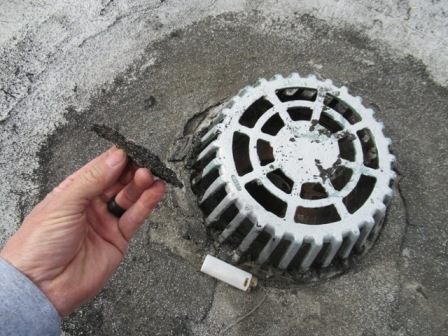
5. Plumbing Components on Roof
Inspect plumbing-related roof items for:
- Roof drains clear and functioning
- Scuppers and gutters free of blockage
- Overflow drains unobstructed
- Vent stacks secure and properly flashed
- Pipe supports stable
- Evidence of leaks around penetrations
- Standing water near drains
Action: Recommend cleaning, sealing, or repairs as required.
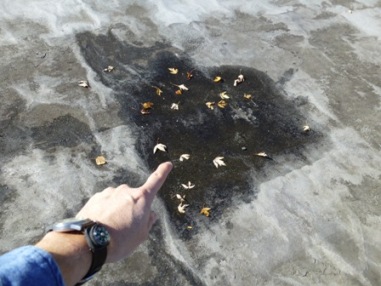
6. Structure of Roof
Inspect visible structural conditions for:
- Sagging or uneven roof areas
- Soft spots or spongy decking
- Cracks in parapet walls or supports
- Water damage to underside (if interior access available)
- Corrosion of steel members
- Rotting wood framing
- Rusting metal trusses and sheathing
- Deflection around equipment loads
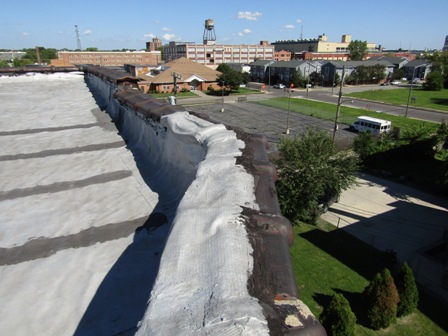
A parapet wall is a low wall that extends above the edge of a flat or low-slope commercial roof. In the Warren Michigan area, parapet walls are commonly found on office buildings, warehouses, retail stores, schools, and apartment buildings. These walls help conceal rooftop equipment, improve fire protection between adjoining buildings, and provide a measure of safety for workers performing roof maintenance.
Due to Michigan’s harsh weather conditions, parapet walls are exposed to rain, snow, ice, and freeze-thaw cycles. Over time, deteriorated masonry, cracked mortar joints, loose coping stones, and inadequate flashing can allow water to penetrate the wall assembly. This moisture intrusion may lead to brick damage, structural deterioration, interior leaks, and costly repairs.
During a commercial building inspection, parapet walls should be evaluated for cracks, leaning sections, loose masonry, damaged coping caps, and signs of water infiltration. Proper maintenance and timely repairs can help extend the life of both the parapet wall and the roofing system while reducing the risk of water damage to the building.
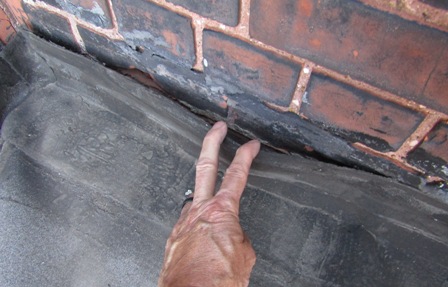
This is a good example of how the roofing material pulls away from the parapet wall on a flat roof. Because of the climate in the Macomb County area, this is a prime area for a leak.
Documentation and Reporting
After inspection:
- Photograph all deficiencies.
- Report locations of issues in report.
- Rate conditions as:
- Good
- Fair
- Poor
- Critical
- Recommend repairs, maintenance, or further specialist review.
- Submit final inspection report.
Contact: Matt Fletcher 313-510-0284 or visit our other website https://mattfletcher313.com/

