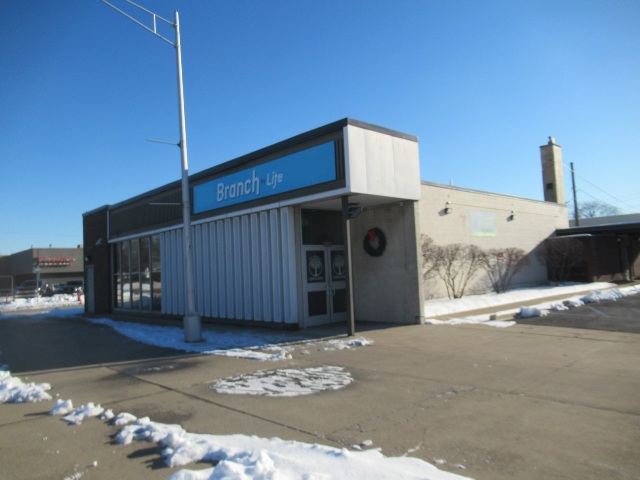
Welcome to our commercial building inspection site. Matt Fletcher can be contacted at 313-510-0284 and InspectDetroit313@gmail.com. We have been inspecting commercial buildings in the Macomb County area for over 26 years. We have performed community center inspections, apartment building inspections, church inspections, party store inspections, restaurant inspections, funeral home inspections, dentist office inspections, veterinary clinic inspections and factory inspections.
We provide a full written report and pictures with every inspection.
Let’s take a look at some expensive and common issues found in St. Clair Shores area commercial inspections.
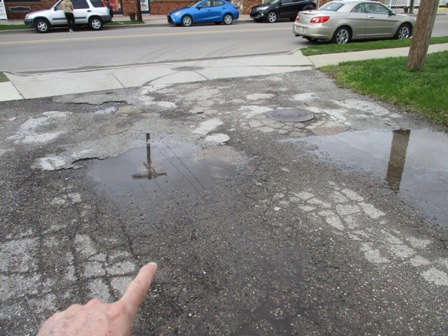
Parking lots are included in our commercial inspections. The weather in Macomb County can be harsh and deteriorate concrete and asphalt. Commercial parking lots can be costly to repair. We will take measurements and pictures so that you can get rough estimates from contractors on repairs.
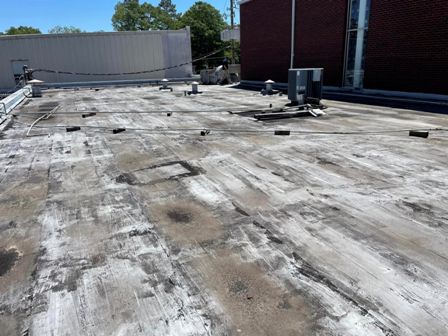
Commercial buildings in the St. Clair Shores area often have flat roofs which may have issues and can be expensive to replace. On our YouTube channel we have dozens of videos of commercial inspections.
We perform Commercial Property Inspections, façade inspections and Property Condition Assessments (PCA’s) all over southeastern Michigan.
If you need a Professional Engineer or Structural Engineer, we can arrange that.
Please contact Matt by cell phone or email: (313)510-0284 or InspectDetroit313@gmail.com
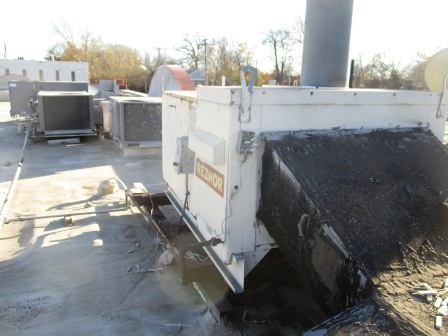
In the Macomb County area, commercial buildings often have their mechanical systems on the roof. While inspecting the building we inspect and run the equipment when possible as well as checking the data plates and serial numbers to determine the age of the units.
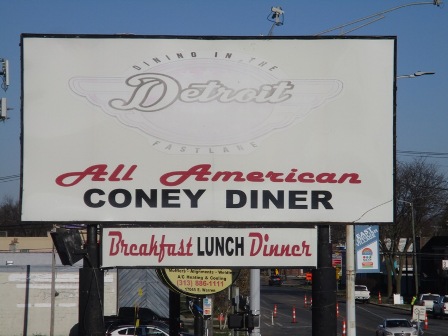
Outdoor commercial lighting is also part of the inspection process. The sign structure is also inspected to determine if it is properly attached to the building. We will turn on the outdoor signs and other lighting and document what is working and what isn’t. Outdoor electric signs should also be GFCI protected but that may vary depending on which city in the Roseville area in which it is located.
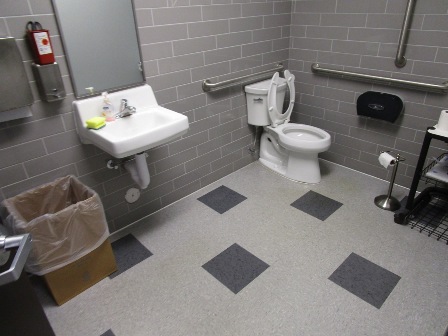
Inside the building, all the rooms will be inspected including the rest room.
Items checked are: Surfaces, check for water stains, peeling paint, or mold, which indicate leaks or poor ventilation.
Flooring: Inspect for cracked tiles, loose grout, or soft spots, especially around the base of the toilet and shower.
Electrical: Ensure all outlets are GFCI protected and working.
Ventilation: Turn on exhaust fans to ensure they operate quietly and effectively. If there is no fan, verify there is an operable window.
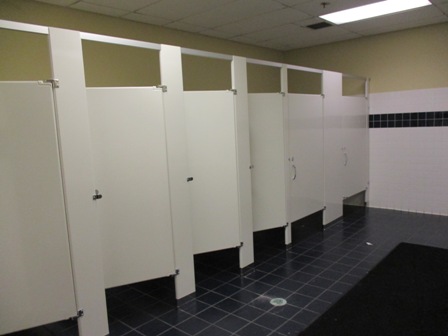
We check the operation of all fixtures. We flush toilets, urinals and run the water in all sinks to ensure it clears, drains, and refills properly without running continuously. Leaks: Check the base, tank-to-bowl connection, and supply lines for moisture. Sinks and Faucets: Water Flow: Run both hot and cold water to check pressure and temperature.
Drainage: Ensure water drains quickly and the pop-up stopper works. Under-Sink: Visually inspect plumbing for active leaks or water stains in the cabinet. Showers and Tubs: Test shower valves for smooth operation and inspect caulking/grout for breaks that could lead to water damage.
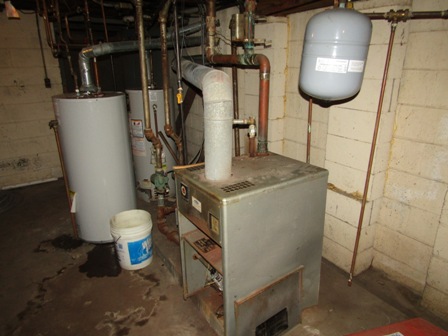
This is a small commercial building in St. Clair Shores, and it had a basement which contained the boiler and water heaters. In commercial buildings like this we will inspect the visible structure in the basement as well as the mechanical systems.

Materials in older buildings may contain things like lead or asbestos. In the picture we taking samples of ceiling tiles to be tested for asbestos.
Steam pipes and old vinyl floor tiles may contain asbestos. Environmental testing is not part of a standard inspection but, we can test it for you an additional cost.
Here are five important things that should be inspected in a basement:
HVAC / Plumbing Equipment
Inspect the furnace, water heater, pipes, and shutoff valves for rust, leaks, corrosion, age, or poor maintenance.
Foundation Walls & Cracks
Look for horizontal, stair-step, or widening cracks, bowing walls, or signs of shifting that may indicate structural issues.
Water Intrusion & Moisture
Check for damp spots, stains, mold, mildew smell, efflorescence (white powder on walls), or active leaks around walls and floor.
Sump Pump & Drainage System
Inspect the sump pump, floor drains, and any perimeter drainage systems to make sure they function properly and discharge correctly.
Electrical System
Examine exposed wiring, outlets, breaker panels, extension cord overuse, and signs of outdated or unsafe electrical work.
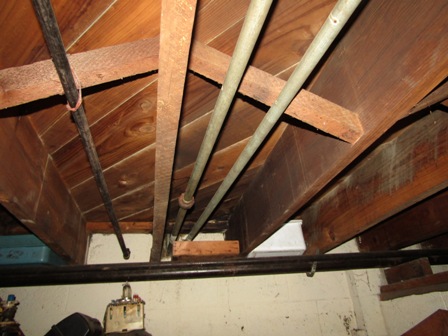
When inspecting floor joists in a basement, focus on these key areas:
- Sagging or Deflection
Inspect Mount Clemens area joists that bow downward, uneven floors above, or noticeable dips that may indicate overloading or weakening. - Cracks, Splits, or Damage
Check for long cracks, splits near ends, notches cut too deep, drilled holes in wrong locations, or broken sections. - Rot, Moisture, or Mold
Inspect for water staining, soft wood, fungal growth, or musty smells—especially near bathrooms, kitchens, and exterior walls. - Insect Damage
Look for termite tunnels, powderpost beetle holes, sawdust-like frass, or hollow-sounding wood. - Improper Alterations
Watch for joists that were cut for plumbing/HVAC/electrical without reinforcement, sistering done poorly, or unsupported modifications. - Bearing Points & Supports
Check where joists rest on beams or foundation walls for crushing, movement, gaps, or inadequate bearing surface. - Fasteners & Connections
Inspect joist hangers, nails, bolts, and brackets for rust, missing fasteners, loose hardware, or improper installation. - Fire / Char Damage
Any blackening, charring, or weakened wood from previous fire exposure will be evaluated. - Level / Spacing Consistency
Joists should generally be evenly spaced and aligned; irregular spacing can indicate previous repairs or framing issues. - Vibration / Bounce
Excessive movement when floors above are walked on may suggest undersized joists or weakened framing.
Our Macomb County Commercial Inspection Team
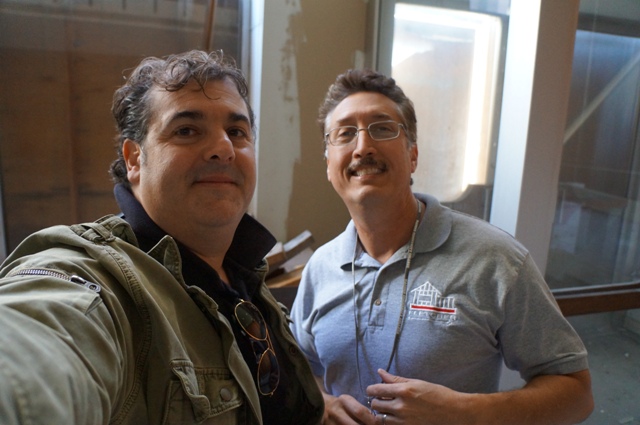
Joe Vaglica (left) is a Professional Engineer (PE) and owns GateWay Engineering and Surveying https://www.gatewayengineer.com/ located in Shelby Twp. Michigan.
Matt Fletcher (right) is a licensed builder, state certified construction teacher and also runs an inspection school to train new inspectors . https://globalinspectionschool.com/ . Contact Matt to schedule an inspection of your Macomb County commercial building, 313-510-0284.

